
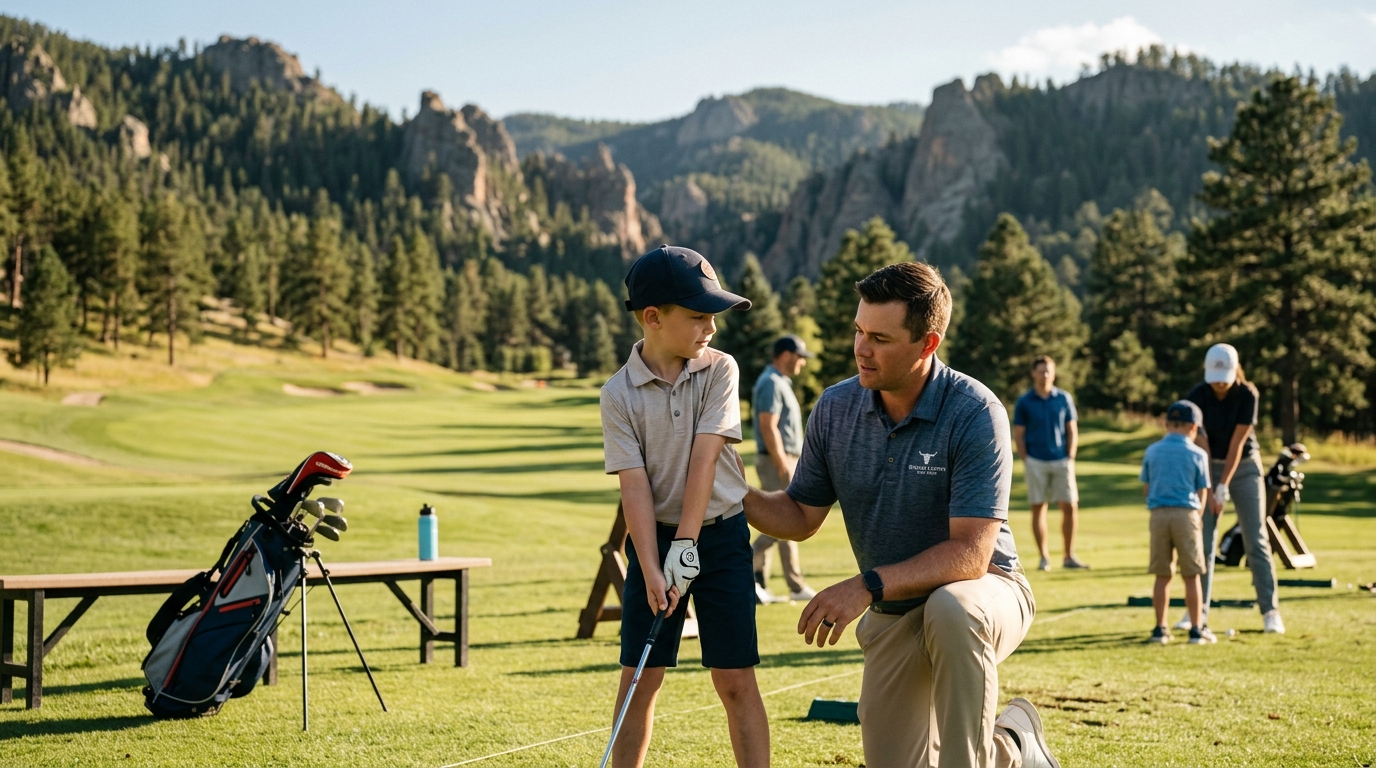
Locating a premier facility that balances competitive play with youth development requires careful market analysis. Recent industry reports indicate that junior golf participation has increased by nearly twenty percent across mountainous regions over the last three years. This growth reflects a broader shift toward family-centric recreational planning. Parents now prioritize venues that combine challenging layouts with structured coaching pathways. Evaluating regional options demands a systematic review of facility infrastructure, pricing models, and instructional staff credentials. The following framework outlines the exact steps required to identify a course that delivers measurable skill progression for young players. (Black Hills Golf Course)
Understanding Youth Golf Development Models
Youth golf development is a structured coaching methodology designed to build foundational swing mechanics and course management skills for players under eighteen. Successful programs prioritize progressive skill acquisition over immediate tournament results. Coaches typically utilize scaled equipment, modified course layouts, and gamified drills to maintain engagement. Facilities that invest in certified instructors consistently report higher retention rates among junior members. When evaluating local options, verify that the coaching staff holds recognized certification from a national governing body. This credential ensures standardized teaching protocols and safety compliance. Individual instruction is a personalized training format where a certified professional tailors drills to a single student's biomechanical needs. Private sessions allow coaches to correct grip pressure, stance alignment, and weight transfer without classroom distractions. Look for facilities that schedule dedicated junior hours before peak adult tee times. This scheduling strategy guarantees focused attention and minimizes course congestion. Review the instructor-to-student ratio carefully. Optimal programs maintain a maximum ratio of one coach to three students for ages eight through twelve. Older teenagers often benefit from one-on-one technical breakdowns paired with on-course strategy sessions. Verify that the facility maintains a dedicated practice area with chipping greens and short-game zones. These spaces accelerate skill acquisition by allowing repetitive low-pressure repetitions. Facilities that integrate technology like launch monitors or swing analysis software typically deliver faster improvement curves. Always request a trial lesson before committing to a multi-session package. This evaluation period reveals coaching compatibility and program structure.
Evaluating Course Accessibility and Terrain for Beginners
Course accessibility refers to the physical design parameters that allow beginners and junior players to navigate fairways without excessive penalty zones. Mountainous regions often feature dramatic elevation changes and native grasses that challenge even seasoned competitors. Young players require forgiving landing areas and strategically placed bunkers that encourage strategic thinking rather than punishment. Review the course map for par-three holes that feature shorter yardages and elevated greens. These holes build confidence while teaching distance control and trajectory management. Facilities that maintain multiple tee boxes per hole demonstrate a commitment to inclusive play. Check the total yardage from the forward tees. Optimal junior course lengths typically range between two thousand and two thousand four hundred yards. This distance allows young players to complete rounds within ninety minutes while maintaining focus. Examine the rough height and native vegetation density. Overgrown native grasses slow play and increase frustration for developing athletes. Well-maintained facilities keep native areas trimmed to manageable heights near landing zones. Verify that the course features clearly marked drop zones and lateral relief areas. These design elements reduce penalty strokes and keep rounds moving efficiently. Look for facilities that offer junior rate discounts or complimentary practice balls. These incentives lower the financial barrier to entry and encourage consistent attendance. Review the maintenance schedule for tee box conditioning and green speed. Consistent playing surfaces build trust and allow young athletes to focus on technique rather than variable bounce conditions. Facilities that host junior clinics typically maintain these accessibility standards as a core operational priority.
Analyzing Membership Structures and Coaching Access
Financial planning represents a critical factor when selecting a regional golf facility. Modern membership models have evolved to accommodate flexible schedules and varying skill levels. Review the pricing tiers carefully before committing to long-term agreements. Many clubs offer weekday discounts that significantly reduce the cost per round. Family packages often provide substantial savings compared to individual adult memberships. These bundles typically include unlimited weekday play, discounted green fees, and priority tee time reservations. Examine the initiation fees and annual dues structure. Transparent facilities publish all costs upfront without hidden administrative charges. Look for membership tiers that explicitly include coaching credits or lesson packages. These value-added components transform standard green fees into comprehensive development programs. Verify whether the facility allows membership transfers or guest privileges. Flexible policies accommodate seasonal residents and traveling families who visit the region periodically. Check the cancellation policy and refund schedule. Reputable clubs offer prorated refunds for medical emergencies or relocation scenarios. Review the facility's sponsorship program and community partnerships. Organizations that actively support local youth initiatives typically reinvest revenue into course improvements and coaching staff development. Calculate the break-even point for your expected playing frequency. Facilities that offer flexible scheduling options usually deliver higher long-term value for active members. Always request a detailed breakdown of all included amenities before signing any agreement.
Reviewing Event Scheduling and Family Programming
Community engagement directly correlates with program quality and facility longevity. Successful golf clubs host regular tournaments that cater to varying skill levels and age groups. Review the annual calendar for junior-specific events and family-friendly competitions. These gatherings foster camaraderie and provide real-world pressure testing for developing athletes. Facilities that organize seasonal leagues typically maintain higher course conditions and coaching standards. Check the registration process for upcoming tournaments. Streamlined online systems reduce administrative friction and encourage consistent participation. Look for events that feature modified scoring formats like stableford or modified scramble. These systems reward aggressive play while minimizing frustration for beginners. Examine the facility's food and beverage offerings during weekend events. Quality concessions keep families on-site longer and encourage repeat visits. Verify whether the club hosts fundraising tournaments for local schools or youth organizations. These partnerships demonstrate community investment and often result in subsidized coaching programs. Review the facility's social media presence and event photography archives. High-quality documentation reflects professional management and attention to detail. Facilities that consistently report strong attendance figures typically maintain superior course conditions and coaching staff. Always inquire about early registration discounts for returning participants. These incentives reward loyalty and encourage long-term program commitment.
Comparing Regional Facilities and Service Tiers
Regional market analysis requires systematic comparison of available options across the Black Hills corridor. Different facilities emphasize distinct operational models and target demographics. Some venues prioritize competitive tournament play while others focus on casual recreation and youth development. Review the course layout and architectural style. Traditional layouts often feature strategic bunkering and undulating greens that reward precise shot placement. Modern designs may emphasize wider fairways and flatter greens to accommodate developing players. Examine the facility's technology infrastructure and practice amenities. State-of-the-art simulators and video analysis tools accelerate skill acquisition for tech-savvy students. Check the facility's location relative to major highways and tourist corridors. Convenient access reduces travel fatigue and encourages weekend family outings. Review the staff credentials and coaching certifications. Facilities that employ PGA-certified professionals typically deliver higher instructional quality and program consistency. Examine the facility's online booking system and customer support responsiveness. Efficient digital platforms streamline tee time reservations and lesson scheduling. Compare the facility's environmental sustainability practices. Modern courses often implement water conservation systems and native habitat preservation programs. These initiatives protect local ecosystems while maintaining playing conditions. Review the facility's historical performance and community recognition. Long-established venues with decades of operation typically possess refined operational protocols and loyal member bases. Always request a comprehensive facility tour before committing to any program. Direct observation reveals maintenance quality and coaching culture more accurately than marketing materials.
Key Takeaways
- Verify PGA or equivalent coaching certifications before enrolling young players in any program.
- Optimal junior course lengths typically range between two thousand and two thousand four hundred yards.
- Family membership packages often provide substantial savings compared to individual adult memberships.
- Facilities that host regular junior tournaments typically maintain superior course conditions and coaching standards.
- Request a trial lesson to evaluate coaching compatibility and program structure before committing financially.
- Modern courses frequently implement water conservation systems and native habitat preservation programs.
- Transparent pricing structures and flexible cancellation policies protect families from unexpected administrative charges.
Frequently Asked Questions
What age range qualifies for youth golf programs?
Most regional facilities accept children as young as five years old for introductory clinics. Programs typically segment participants by age brackets ranging from five to seven, eight to twelve, and thirteen to seventeen. Each bracket receives age-appropriate equipment, modified course layouts, and tailored coaching methodologies. Younger children often participate in gamified drills that emphasize hand-eye coordination and basic stance mechanics. Older students focus on advanced swing mechanics, course management, and competitive tournament preparation. Always verify the specific age requirements with the facility before scheduling your first session.
How much does a typical junior coaching package cost?
Individual lesson rates typically range between forty and eighty dollars per hour depending on instructor credentials and facility location. Multi-session packages often reduce the per-hour cost by fifteen to twenty percent. Group clinics usually charge between twenty and thirty-five dollars per participant per session. Membership holders frequently receive discounted lesson rates or complimentary coaching credits as part of their annual dues. Always request a detailed pricing breakdown that includes equipment rental, range balls, and any administrative fees.
Do Black Hills golf courses offer seasonal youth programs?
Most regional facilities operate youth programs during the primary playing season from late spring through early fall. Some venues offer indoor simulator training during winter months to maintain skill progression. Seasonal programs typically run for eight to ten weeks with weekly scheduled sessions. Facilities that maintain year-round operations often adjust their coaching schedules to accommodate school breaks and holiday periods. Contact the facility directly to confirm current seasonal availability and registration deadlines.
What equipment do young players need for their first lessons?
Most facilities provide starter clubs, junior golf balls, and appropriate footwear for initial sessions. Parents typically need to supply weather-appropriate clothing, sunscreen, and a water bottle. As students progress, facilities often recommend purchasing properly fitted junior clubs that match the player's height and swing speed. Many clubs operate rental programs that offer high-quality equipment at reduced daily rates. Always verify equipment requirements with the coaching staff before your first visit.
Can families participate in golf events alongside junior programs?
Most regional facilities encourage family participation through designated family days and modified scoring tournaments. These events allow parents to play alongside their children while maintaining competitive integrity. Facilities often host fundraising tournaments that combine casual play with community support initiatives. Many clubs offer discounted family tee times and group lesson packages that accommodate multiple skill levels. Review the annual event calendar to identify upcoming family-friendly competitions and registration deadlines.
How do I schedule a trial lesson or facility tour?
Most facilities utilize online booking platforms that allow parents to reserve trial sessions and schedule facility tours. You can also contact the pro shop directly to discuss program availability and coaching schedules. Online systems typically display real-time instructor availability and facility maintenance updates. Always request a comprehensive facility tour before committing to any multi-session package. Direct observation reveals maintenance quality and coaching culture more accurately than marketing materials.
What safety protocols do youth programs implement?
Reputable facilities enforce strict safety guidelines that include range supervision, equipment handling protocols, and weather monitoring systems. Coaches typically conduct safety briefings before each session and enforce strict ball retrieval procedures. Facilities often maintain first aid kits and certified emergency response personnel on-site during peak hours. Review the facility's weather cancellation policy and refund schedule before committing to any program. Always verify that the coaching staff holds current CPR and first aid certifications.
Next Steps for Booking Youth Coaching Sessions
Securing a premier coaching program requires proactive planning and direct facility communication. Begin by reviewing the annual event calendar and coaching schedules to identify optimal start dates. Contact the pro shop to request a comprehensive facility tour and trial lesson. Verify instructor credentials, equipment availability, and pricing structures before committing financially. Complete the online registration process and submit any required medical waivers or liability forms. Arrange transportation and parking logistics to ensure punctual arrival for your first session. Review the facility's cancellation policy and refund schedule before signing any agreement. Contact the facility directly to discuss customized coaching pathways and long-term development goals. Reserve your tee time today and experience a facility that prioritizes youth development alongside competitive excellence. Explore upcoming events to identify family-friendly competitions and community initiatives. Reach out to our team for personalized program recommendations and scheduling assistance. Browse membership options to discover flexible packages that align with your family's playing frequency. Review tournament schedules to identify upcoming junior-specific competitions and registration deadlines. Secure your spot in a program that delivers measurable skill progression and lasting community connections.